


Croatian Museum of Natural History
Upper town
The Croatian Museum of Natural History, located in the historic Amadeo Palace in Zagreb’s Upper Town, is the largest natural history museum in Croatia. The museum houses more than 1.5 million specimens from the fields of geology, paleontology, zoology and botany. It is actively engaged in scientific research and organizes a rich educational and popular science program that promotes the natural heritage, biodiversity and geological past of Croatia.
Related Programmes


The Stars Above Us: Why Are We Going Back to the Moon?
Discursive programme
Limited capacity – sign up required
These interesting and educational lectures on the universe, its origin and development bring astronomy closer to a wider audience through clear and inspiring scientific stories. The programme covers topics ranging from the Big Bang and the...
Event time
18:00–19:30
- Location
- Demetrova ulica 1


Atrium live: Pčelica brujalica
Play
Limited capacity – sign up required
Atrium Live is a programme cycle in which guest theatre companies perform in the atrium of the Croatian Natural History Museum, turning it into a living stage platform open to different theatrical poetics and performance approaches. The...
Event time
18:00–19:00
- Location
- Demetrova ulica 1
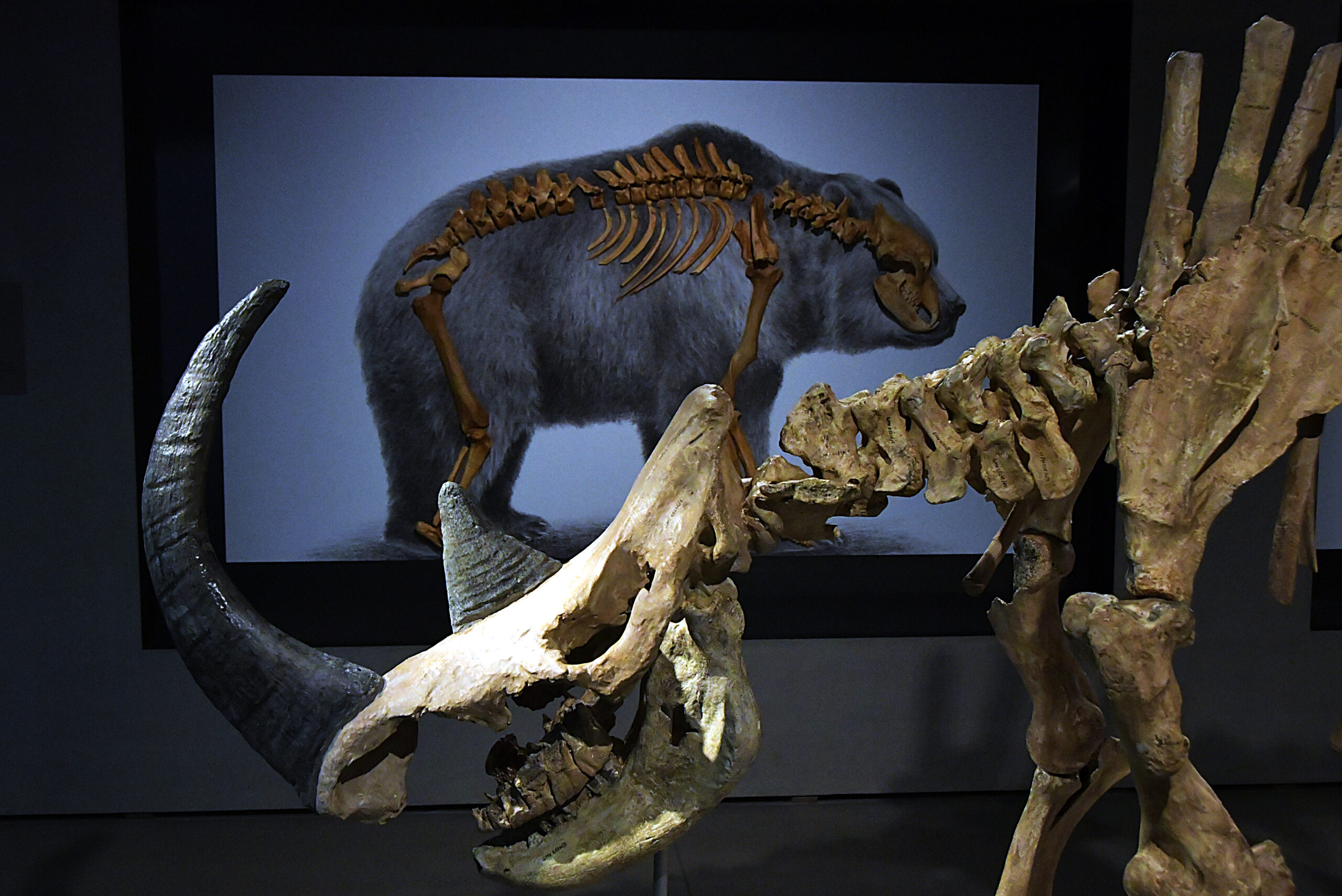
EXPRESS TOURS: Top 5 +
Guided exhibition tour
Limited capacity – sign up required
For visitors who want a quick but memorable museum experience, the “Express Tours” offer a dynamic guided visit through the most interesting and most unusual museum content. The programme includes the “Top 5 exhibits” you simply must see,...
Event time
12:00; 14:00; 16:00; 18:00; 12:00; 14:00; 16:00; 18:00; 12:00; 14:00; 16:00; 18:00; 12:00; 14:00; 16:00; 18:00
- Location
- Demetrova ulica 1
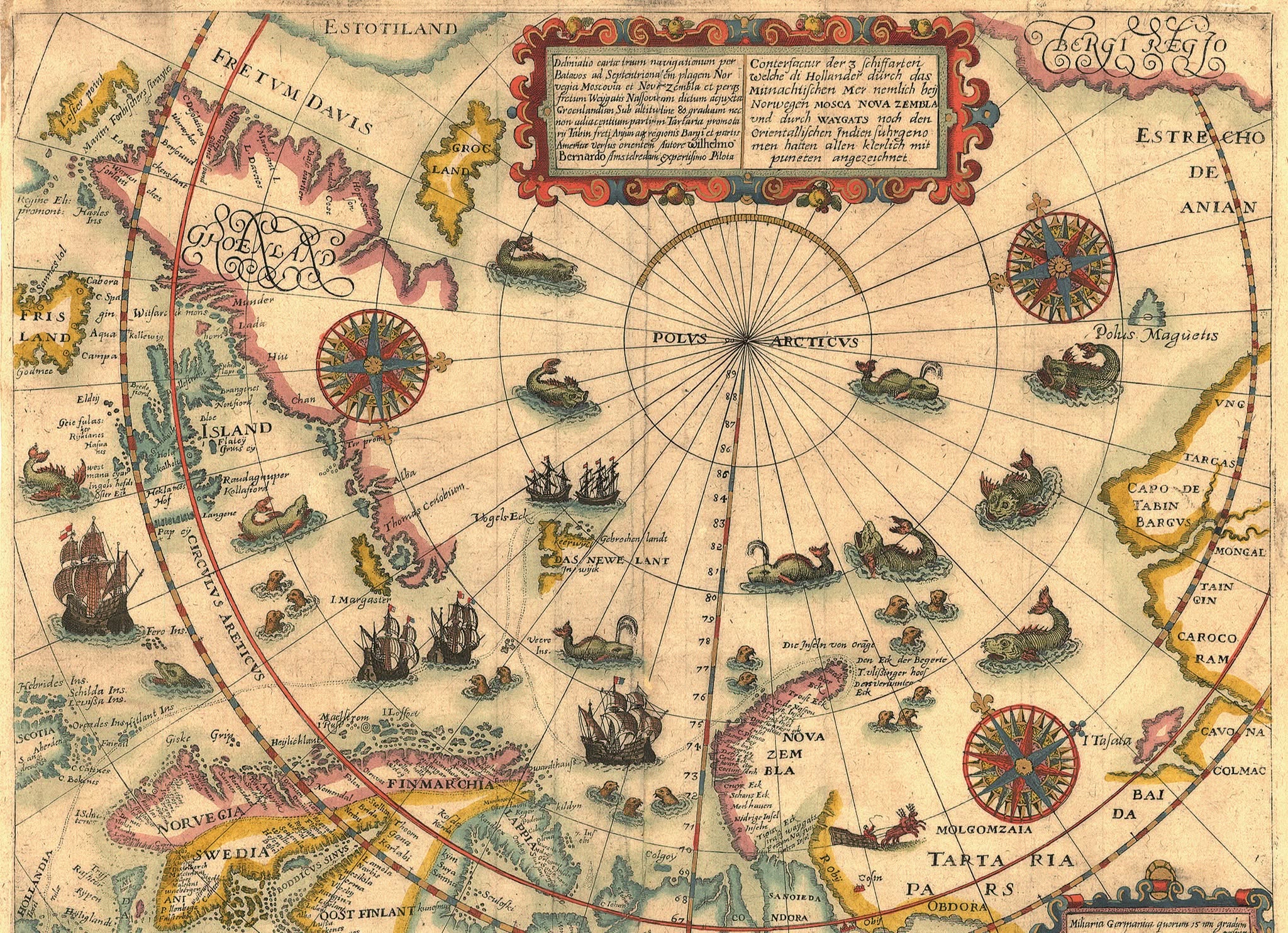
Croats on the Frozen Sea, 1872–1874
Exhibition
The exhibition tells the story of one of the most important polar expeditions of the 19th century – the Austro-Hungarian scientific Arctic expedition of 1872–1874. A particularly valuable part of this historical story is the fact...
Event time
All day
- Location
- Demetrova ulica 1
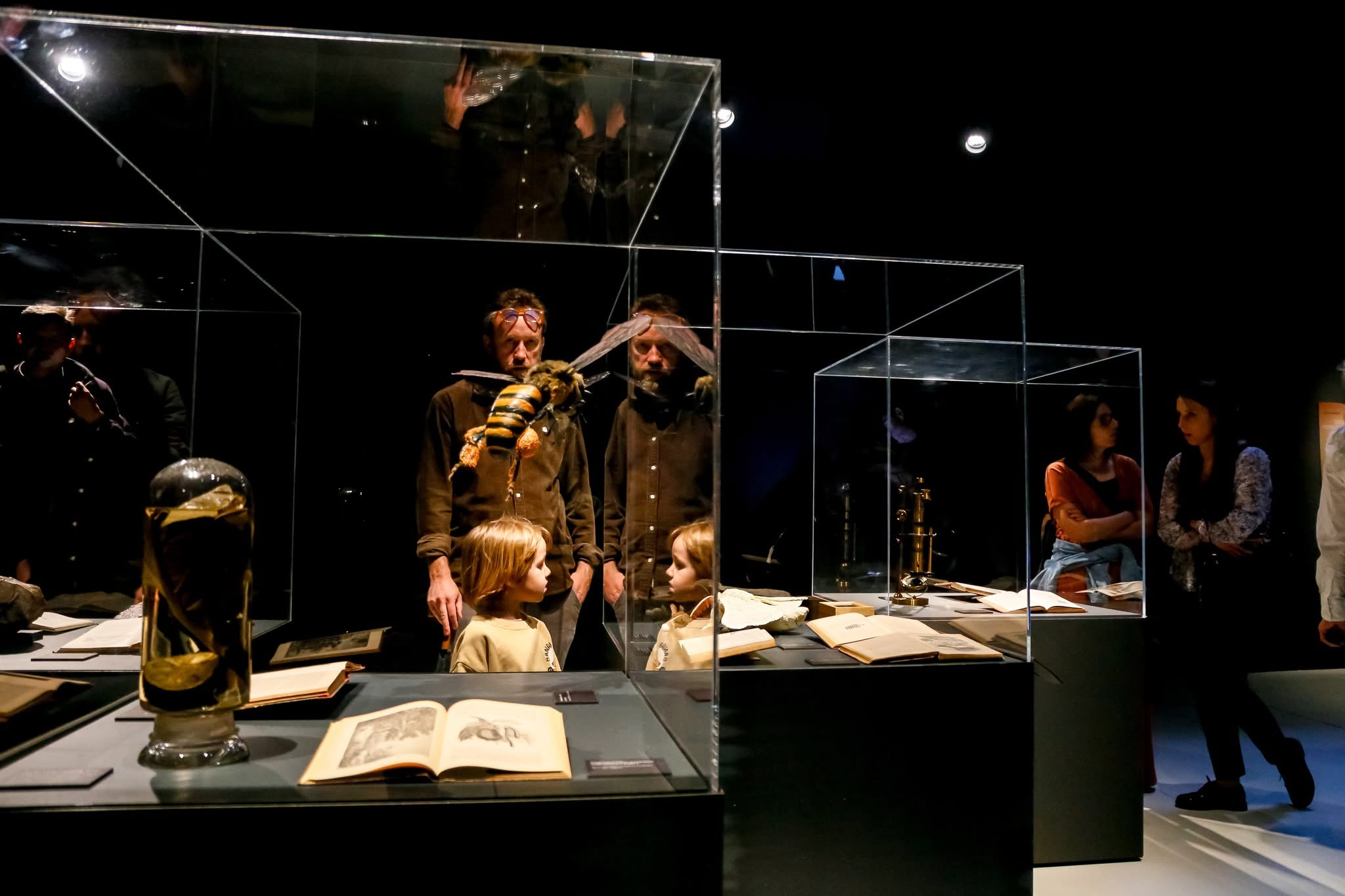
Mijo Kišpatić – a Quiet Visionary
Exhibition
The Croatian Natural History Museum in Zagreb presents a unique exhibition dedicated to Mijo Kišpatić, one of the most important Croatian naturalists of the late 19th and early 20th century. In 2026 we mark the 175th anniversary of the...
Event time
All day
- Location
- Demetrova ulica 1
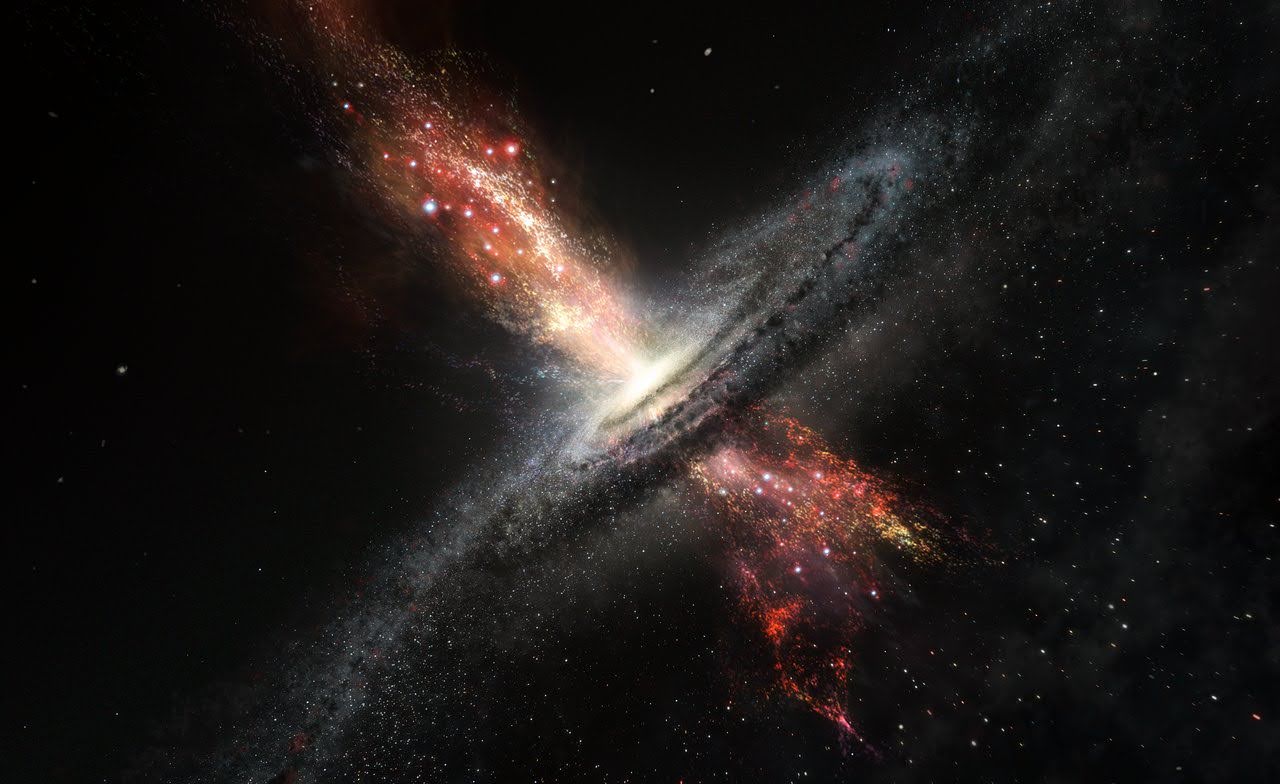
The Stars Above Us: The Evolution of Galaxies Through Cosmic History and What Black Holes Have to Do with It
Discursive programme
Limited capacity – sign up required
These interesting and educational lectures on the universe, its origin and development bring astronomy closer to a wider audience through clear and inspiring scientific stories. The programme covers topics ranging from the Big Bang and the...
Event time
11:00–12:30
- Location
- Demetrova ulica 1

Museum Wellbeing Reset
MUV on site
Limited capacity – sign up required
Museum Wellbeing Reset in the atrium of the Croatian Natural History Museum is an experiential programme conceived as a space of slowing down, regeneration and return to inner balance. In a unique museum setting, participants go through a...
Event time
08:00–10:00
- Location
- Demetrova ulica 1

The Stars Above Us: Are We Alone in the Universe?
Discursive programme
Limited capacity – sign up required
These interesting and educational lectures on the universe, its origin and development bring astronomy closer to a wider audience through clear and inspiring scientific stories. The programme covers topics ranging from the Big Bang and the...
Event time
18:00–19:30
- Location
- Demetrova ulica 1

Lectures accompanying the exhibition Mijo Kišpatić – a Quiet Visionary
Discursive programme
Limited capacity – sign up required
Three lectures will be held as part of the exhibition “Mijo Kišpatić – a Quiet Visionary”, presenting from different perspectives the life, scientific work and rich output of one of the most important Croatian naturalists. Biserka...
Event time
11:00–12:00
- Location
- Demetrova ulica 1
Traditional Meditation at the Museum
Discursive programme
Limited capacity – sign up required
As part of the Zagreb Museum Weekend, the Croatian Natural History Museum presents a lecture on traditional meditation, conceived in the spirit of the Museum Wellbeing Reset initiative. Contemporary people live faster than ever, constantly...
Event time
18:00–19:00
- Location
- Demetrova ulica 1
Paint the Wild
Workshop
Limited capacity – sign up required
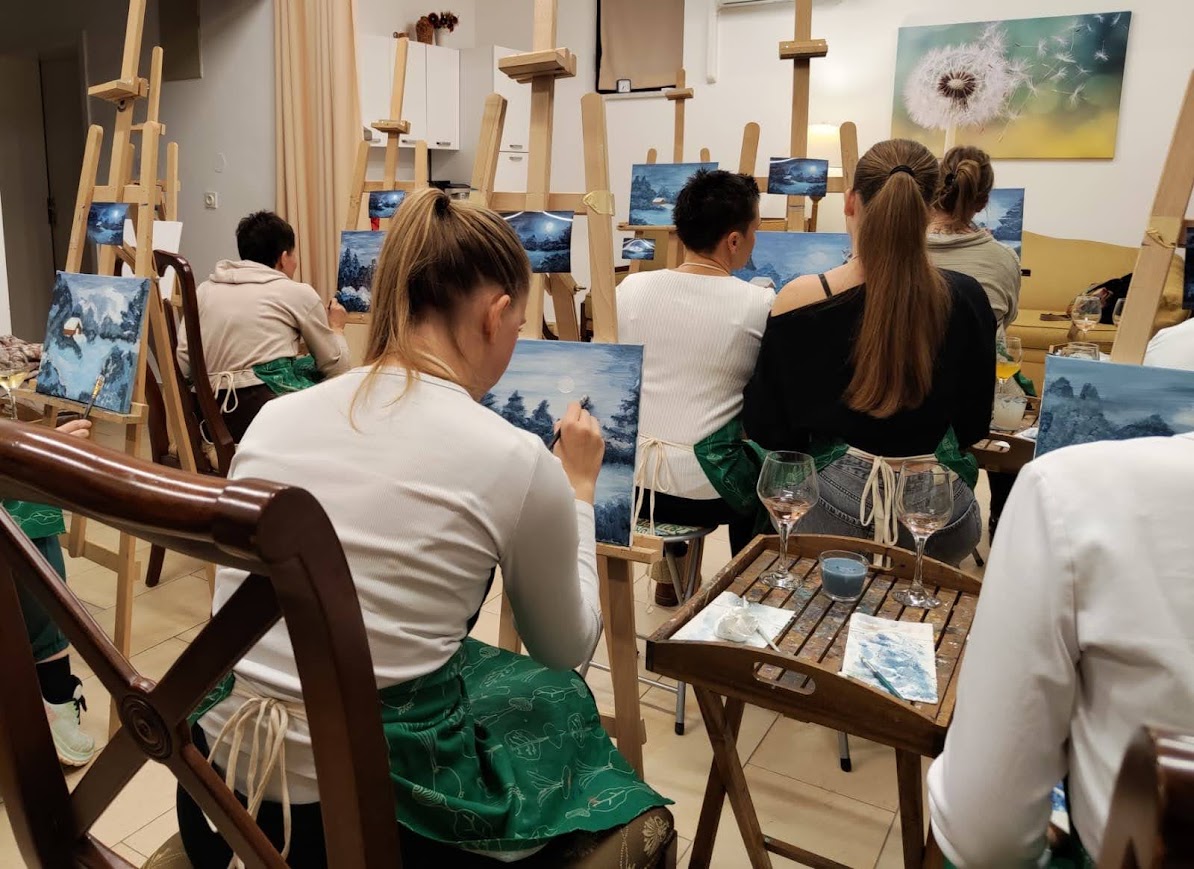
Paint the Wild is a guided painting workshop inspired by the richness and diversity of nature. Through expert guidance and a relaxed creative atmosphere, participants explore motifs from the natural world – from animal species and plants...
Event time
18:00; 17:00
- Location
- Demetrova ulica 1

The Stars Above Us: Solar Storms
Discursive programme
Limited capacity – sign up required
These interesting and educational lectures on the universe, its origin and development bring astronomy closer to a wider audience through clear and inspiring scientific stories. The programme covers topics ranging from the Big Bang and the...
Event time
11:00–12:30
- Location
- Demetrova ulica 1

Opening of the exhibition “Fotosofia 21”
Opening
We invite you to the opening of the exhibition Fotosofia 21 in the atrium of the Croatian Natural History Museum!
Event time
19:00–20:00
- Location
- Demetrova ulica 1

Ocean with David Attenborough
Family fun
Limited capacity – sign up required
This spectacular natural history documentary with David Attenborough reveals the extraordinary richness and importance of the world’s oceans. Outstanding underwater footage shows fascinating marine ecosystems, but also the challenges they...
Event time
17:00–18:35
- Location
- Demetrova ulica 1
Fotosofia 21
Exhibition
We invite you to the the exhibition Fotosofia 21 in the atrium of the Croatian Natural History Museum!
Event time
All day
- Location
- Demetrova ulica 1

Atrium live: Živ, živ, živ
Play
Limited capacity – sign up required
Atrium Live is a programme cycle in which guest theatre companies perform in the atrium of the Croatian Natural History Museum, turning it into a living stage platform open to different theatrical poetics and performance approaches. The...
Event time
18:00–19:00
- Location
- Demetrova ulica 1

Finding Nemo
Family fun
Limited capacity – sign up required
This much-loved Pixar animated adventure takes audiences into the vivid world of the ocean through the story of Marlin, a clownfish who sets out on a great journey to find his son Nemo. Encounters with coral reefs, sea turtles, sharks and...
Event time
12:00–13:40
- Location
- Demetrova ulica 1


